When homeowners think about lowering energy bills, they often focus on upgrading appliances, improving insulation, or adjusting thermostat settings. While these strategies can certainly make a difference, one of the most overlooked contributors to energy efficiency lies hidden behind walls and ceilings: the air duct system. Air ducts play a central role in distributing heated and cooled air throughout a home, and their condition directly impacts how efficiently an HVAC system operates.
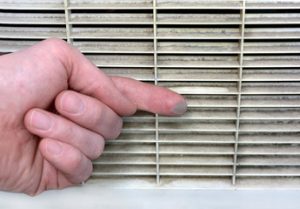
Air Duct Cleaning Salt Lake City is not just about improving air quality—it is also a powerful way to enhance energy performance. Over time, dust, debris, and other contaminants can accumulate within ductwork, restricting airflow and forcing HVAC systems to work harder than necessary. By addressing this buildup, professional air duct cleaning services can help reduce energy consumption, lower utility costs, and improve overall system efficiency.
Understanding the Link Between Airflow and Energy Efficiency
Airflow is a fundamental component of HVAC system performance. When air moves freely through clean ducts, the system can deliver conditioned air efficiently to every part of the home. However, when ducts become clogged with debris, airflow is restricted, creating resistance within the system.
This resistance forces the HVAC unit to use more energy to push air through the ducts. As a result, the system runs longer cycles and consumes more power to maintain the desired temperature. Over time, this increased workload not only raises energy bills but also places additional strain on system components.
Clean air ducts ensure that airflow remains unobstructed, allowing the system to operate at optimal efficiency.
How Dirty Ducts Increase Energy Consumption
The buildup of dust and debris inside air ducts may seem minor at first, but its impact on energy consumption can be significant. Even a thin layer of contaminants can reduce airflow, creating inefficiencies that ripple throughout the entire system.
When airflow is compromised, several issues arise:
- Longer operating times, as the system struggles to reach and maintain the set temperature.
- Uneven temperature distribution, leading to overcompensation in certain areas of the home.
These inefficiencies cause the HVAC system to work harder and consume more energy, ultimately increasing utility costs. Addressing duct cleanliness is a direct way to counteract these effects and improve performance.
The Role of Air Duct Cleaning in System Optimization
Professional air duct cleaning services are designed to remove accumulated debris and restore the system to its optimal condition. Using specialized equipment, technicians thoroughly clean the interior surfaces of the ductwork, eliminating obstructions that hinder airflow.
This process not only improves air circulation but also enhances the overall efficiency of the HVAC system. With fewer barriers to airflow, the system can deliver conditioned air more effectively, reducing the energy required to achieve the desired indoor climate.
System optimization through duct cleaning is a practical and cost-effective way to improve energy performance without the need for major upgrades.
Reducing Wear and Tear on HVAC Components
Energy efficiency is closely tied to the condition of HVAC components. When a system is forced to work harder due to restricted airflow, its parts experience increased wear and tear. Motors, fans, and compressors must operate under greater strain, which can lead to premature failure.
Air duct cleaning helps alleviate this strain by restoring proper airflow and reducing the workload on the system. This not only improves efficiency but also extends the lifespan of the equipment.
Benefits of reduced wear and tear include:
- Fewer repairs, as components are less likely to fail under normal operating conditions.
- Longer system lifespan, delaying the need for costly replacements.
By maintaining clean ducts, homeowners can protect their HVAC investment and avoid unnecessary expenses.
Improving Temperature Consistency Throughout the Home
One common issue associated with dirty air ducts is inconsistent temperature distribution. Some rooms may feel too hot, while others remain too cold, even when the system is running continuously. This imbalance often leads to frequent thermostat adjustments, which can further increase energy usage.
Clean ducts promote even airflow, ensuring that conditioned air reaches all areas of the home more effectively. This results in a more consistent indoor temperature and reduces the need for constant adjustments.
Improved temperature balance not only enhances comfort but also contributes to more efficient energy use.
Lowering Monthly Utility Bills
The most tangible benefit of air duct cleaning is its impact on energy costs. By improving airflow and system efficiency, homeowners can reduce the amount of energy required to heat or cool their homes.
While the exact savings will vary depending on factors such as system size and level of contamination, many homeowners notice a reduction in their monthly utility bills after having their ducts cleaned. These savings can accumulate over time, offsetting the cost of the service and providing long-term financial benefits.
Lower energy bills are a direct result of a system that operates more efficiently and effectively.
Supporting Sustainable Home Practices
Energy efficiency is not only about cost savings—it also plays a role in sustainability. Reducing energy consumption helps lower the environmental impact of a home, contributing to more responsible resource use.
Air duct cleaning supports sustainable practices by optimizing system performance and minimizing energy waste. By ensuring that HVAC systems operate efficiently, homeowners can reduce their carbon footprint and promote a more environmentally friendly lifestyle.
This alignment with sustainability goals adds another layer of value to regular duct maintenance.
When to Consider Air Duct Cleaning for Energy Efficiency
While regular maintenance is important, there are specific situations where air duct cleaning can have a particularly noticeable impact on energy efficiency. These include times when the system is underperforming or when energy bills have increased without a clear explanation.
Signs that duct cleaning may be needed include:
- Rising energy costs, despite consistent usage patterns.
- Reduced airflow from vents, indicating possible blockages.
- Frequent HVAC cycling, suggesting inefficiencies within the system.
Addressing these issues promptly can restore efficiency and prevent further energy loss.
Combining Duct Cleaning with Other Efficiency Measures
Air duct cleaning is most effective when combined with other energy-saving practices. Regularly changing air filters, sealing duct leaks, and maintaining HVAC equipment all contribute to overall efficiency.
By integrating duct cleaning into a broader maintenance strategy, homeowners can maximize the benefits and achieve more consistent results. This comprehensive approach ensures that every aspect of the system is working together to support energy efficiency.
Long-Term Value of Clean Air Ducts
The benefits of air duct cleaning extend beyond immediate energy savings. Over time, maintaining clean ducts contributes to better system performance, improved comfort, and reduced maintenance costs. It also helps preserve the condition of the HVAC system, ensuring reliable operation for years to come.
This long-term value makes air duct cleaning a worthwhile investment for homeowners who want to optimize their home’s performance and reduce ongoing expenses.
Conclusion
Air duct cleaning is a powerful yet often overlooked tool for improving energy efficiency and reducing utility costs. By removing debris and restoring proper airflow, it allows HVAC systems to operate more effectively, minimizing energy consumption and enhancing overall performance.
From lowering monthly bills and extending system lifespan to supporting sustainable living practices, the benefits of clean air ducts are both practical and impactful. When incorporated into regular home maintenance, duct cleaning becomes a key component of an efficient and cost-effective living environment.
Ultimately, achieving energy savings is not just about upgrading equipment—it is about ensuring that every part of the system is functioning at its best. Clean air ducts play a vital role in this process, helping homeowners create a more efficient, comfortable, and sustainable home.