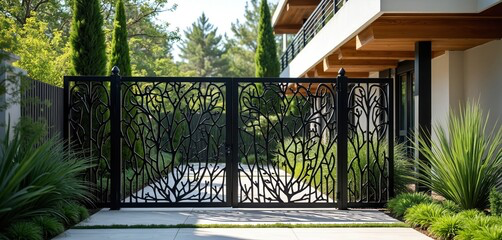
A gate is often the first impression a property makes. Before anyone steps inside, it sets the tone for what lies beyond. It can signal elegance, strength, privacy, or creativity depending on its design and material. While standard gates may serve a basic purpose, custom metal gates go far beyond simple function. They offer a unique combination of security and visual appeal that transforms an entryway into a defining feature.
Custom Metal Gates are designed with intention. Every detail, from the shape and material to the finish and pattern, is tailored to fit a specific vision. Whether used for residential entrances, garden enclosures, or commercial properties, these gates provide durability and style that stand the test of time.
The Purpose and Value of Custom Metal Gates
Custom metal gates serve multiple purposes, making them a valuable addition to any property. At their core, they provide security by controlling access and creating a physical barrier. This added layer of protection helps safeguard both people and property.
Beyond security, these gates contribute to privacy. Solid or partially enclosed designs can limit visibility from the outside, creating a more comfortable and controlled environment within the property.
Aesthetic value is another important aspect. A well designed gate enhances the overall appearance of a space, complementing architectural features and landscaping. It can serve as a focal point that adds character and distinction.
Because custom gates are built to specific requirements, they offer a level of precision and personalization that standard options cannot match. This makes them both functional and visually impactful.
Materials Used in Custom Metal Gates
The choice of material plays a crucial role in the performance and appearance of a custom metal gate. Different metals offer unique benefits depending on the intended use and environment.
Steel is one of the most commonly used materials due to its strength and durability. It provides a solid and secure structure that can handle heavy use. Steel gates can also be customized with various finishes to enhance their appearance and resistance to corrosion.
Wrought iron is known for its classic and decorative qualities. It allows for intricate designs that add elegance and detail to a gate. This material is often chosen for projects that prioritize visual appeal alongside functionality.
Aluminum offers a lightweight alternative that is resistant to rust. It is particularly suitable for outdoor environments where exposure to moisture is a concern. Despite being lighter than steel, it can still provide reliable performance.
Other metals, such as stainless steel, are used for modern designs that require a clean and polished look. The choice of material depends on factors such as design preferences, maintenance requirements, and environmental conditions.
Design Options and Customization Possibilities
One of the most appealing aspects of custom metal gates is the wide range of design possibilities. These gates can be tailored to match any style, from traditional to contemporary.
Decorative patterns are a popular feature in custom designs. Curved lines, geometric shapes, and intricate details can be incorporated to create a unique appearance. These elements allow the gate to reflect personal taste and complement the surrounding architecture.
Size and structure are also customizable. Gates can be designed to fit specific entryways, whether large or compact. Double gates, sliding gates, and arched designs are all options that can be adapted to different needs.
Finishes play an important role in the final look. Options such as matte, gloss, or textured coatings can enhance both appearance and durability. Color choices can also be customized to match the overall design of the property.
This level of customization ensures that each gate is not only functional but also a true representation of the desired style.
Enhancing Security With Metal Gate Features
Security is a primary reason for installing a custom metal gate, and modern designs offer a range of features to enhance protection. The strength of metal provides a solid barrier that is difficult to breach.
Locking systems can be integrated into the design to control access. These may include traditional locks or more advanced options such as automated entry systems. These features add convenience while maintaining security.
Height and spacing are also important considerations. Taller gates with closely spaced bars can provide greater protection by limiting access points. At the same time, the design can be adjusted to maintain an attractive appearance.
Automation is becoming increasingly popular in gate design. Automated systems allow gates to open and close with ease, adding both convenience and an additional layer of control.
By combining structural strength with modern features, custom metal gates offer a reliable solution for property security.
Applications for Residential and Commercial Properties
Custom metal gates are used in a wide variety of settings due to their versatility and durability. In residential spaces, they are often installed at driveways, garden entrances, or perimeter boundaries.
These gates can enhance the appearance of a home while providing privacy and security. They also create a clear distinction between public and private spaces.
In commercial environments, metal gates are used to secure entrances, parking areas, and restricted zones. Their durability makes them suitable for areas with frequent use and high traffic.
Industrial applications often require gates that can withstand heavy conditions and provide strong protection. Custom fabrication allows these gates to meet specific operational requirements.
The adaptability of metal gates makes them suitable for both functional and decorative purposes across different environments.
The Fabrication Process Behind Custom Gates
Creating a custom metal gate involves a detailed fabrication process that combines design, engineering, and craftsmanship. The process begins with planning and design, where specifications are developed based on the desired dimensions and style.
Once the design is finalized, the metal is cut and shaped to match the required components. Precision is essential at this stage to ensure that all parts fit together correctly.
Welding is used to assemble the components, creating a strong and stable structure. Skilled craftsmanship ensures that joints are secure and visually consistent.
After assembly, the gate is finished with coatings or treatments that enhance durability and appearance. This may include painting, powder coating, or other protective processes.
The final stage involves inspection to ensure that the gate meets quality standards and functions as intended. This careful process ensures that each custom gate is both reliable and visually appealing.
Maintenance and Longevity of Metal Gates
One of the key benefits of custom metal gates is their longevity. With proper care, they can remain functional and attractive for many years.
Regular cleaning helps maintain the appearance of the gate and prevents the buildup of dirt and debris. This is especially important for outdoor installations.
Protective coatings play a significant role in preventing rust and corrosion. Periodic inspections can identify any areas that may need touch ups or maintenance.
Lubricating moving parts, such as hinges or automated components, ensures smooth operation and reduces wear over time.
Because of their durability, metal gates require less frequent replacement compared to other materials. This makes them a practical and cost effective choice in the long run.
The Visual Impact of Custom Metal Gates
Custom metal gates are not only functional but also visually striking. They create a strong first impression and can enhance the overall design of a property.
A well designed gate can complement architectural elements and landscaping, creating a cohesive look. It can also serve as a statement piece that reflects personal style and attention to detail.
Lighting can further enhance the visual impact. When illuminated, metal gates can cast interesting shadows and highlight intricate designs.
The combination of strength and beauty makes custom metal gates a standout feature in any setting. They offer a balance of practicality and artistic expression that is difficult to achieve with other materials.
Final Thoughts
Custom metal gates bring together security, durability, and design in a way that enhances both function and appearance. They provide a reliable barrier while also serving as a defining feature that elevates the overall character of a property.
With a wide range of materials, designs, and customization options, these gates can be tailored to meet specific needs and preferences. Their long lasting performance and visual appeal make them a valuable investment for both residential and commercial spaces.
By combining skilled craftsmanship with thoughtful design, custom metal gates demonstrate how practical structures can also become works of art. They stand as a testament to the balance between strength and style, offering lasting value and a lasting impression.