Insulation Services: Improving Home Comfort and Energy Efficiency

Insulation

Imagine stepping into your home on a scorching afternoon and immediately feeling cool, comfortable air without your cooling system working overtime. During colder months the same home stays warm and cozy without constant heating. Many homeowners assume that heating and cooling systems alone create this comfort, but the real secret often lies hidden behind walls and ceilings. Proper insulation plays a major role in controlling indoor temperatures and protecting homes from energy loss.

Insulation services help homeowners create a balanced indoor environment by sealing gaps, reducing heat transfer, and improving overall energy efficiency. With professional insulation services, homes can become more comfortable, efficient, and cost effective to maintain. Go to https://www.ultimateradiantbarrier.com/ for more details.

Understanding the Role of Insulation in a Home

Insulation is a material designed to slow the movement of heat between indoor and outdoor environments. Without effective insulation, heat can easily move through walls, ceilings, and floors, causing homes to lose warmth in colder months and gain unwanted heat during warmer seasons.

A well insulated home creates a barrier that helps maintain a stable indoor temperature. This reduces the workload on heating and cooling systems, which can improve energy efficiency and comfort.

Insulation services focus on installing or upgrading insulation materials in key areas of the home. These areas often include attics, exterior walls, basements, crawl spaces, and sometimes floors. Each of these spaces can allow heat transfer if they are not properly insulated.

When insulation is installed correctly, it helps prevent temperature fluctuations throughout the house. Rooms remain more comfortable and balanced, making the home a more pleasant place to live.

Understanding the role of insulation helps homeowners appreciate why insulation services are an essential part of maintaining a comfortable home.

Types of Insulation Used in Insulation Services

Insulation services may involve several different types of materials depending on the structure of the home and the needs of the homeowner. Each type of insulation provides unique benefits that contribute to energy efficiency.

Fiberglass insulation is one of the most commonly used materials. It is made from fine glass fibers that trap air and reduce heat transfer. Fiberglass insulation is often installed in walls, attics, and ceilings.

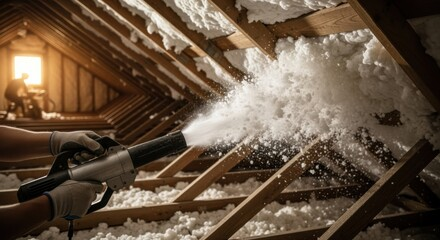
Blown insulation is another common option used in insulation services. This material is applied using specialized equipment that blows loose insulation into cavities and hard to reach spaces. It is especially useful for attics and existing walls.

Spray foam insulation is a more advanced solution that expands after application. As it expands, it fills gaps and cracks, creating both insulation and an air barrier. This type of insulation is often used in areas where air leaks are common.

Foam board insulation is another material used in certain parts of the home. These rigid panels provide strong thermal resistance and are sometimes used in basements or exterior walls.

Insulation professionals evaluate each home carefully to determine which materials will provide the best performance.

Areas of the Home That Benefit from Insulation Services

Certain parts of a home are more vulnerable to heat loss or heat gain than others. Insulation services often focus on these areas to improve overall efficiency.

The attic is one of the most important areas for insulation. Because heat rises, a poorly insulated attic can allow warm air to escape during colder months and allow heat to enter during warmer seasons. Adding insulation to the attic can significantly improve energy efficiency.

Exterior walls also play a major role in temperature control. Insulating these walls helps prevent outdoor temperatures from affecting indoor comfort.

Basements and crawl spaces are additional areas that benefit from insulation services. These spaces can allow cold air and moisture to enter the home if they are not properly insulated.

Floors above unheated spaces may also require insulation to prevent heat loss. Proper insulation in these areas helps maintain a consistent temperature throughout the house.

By addressing these key areas, insulation services help create a more energy efficient and comfortable living environment.

How Insulation Services Improve Energy Efficiency

Energy efficiency is one of the primary benefits of professional insulation services. When homes lack proper insulation, heating and cooling systems must work harder to maintain comfortable temperatures.

Every time conditioned air escapes through poorly insulated areas, energy is wasted. This forces heating or cooling equipment to run more frequently, increasing energy consumption.

Insulation helps reduce this problem by slowing the movement of heat. During colder months it keeps warm air inside the home. During warmer months it helps prevent outdoor heat from entering.

This improved temperature control reduces the workload on heating and cooling systems. As a result, homes can maintain comfort while using less energy.

Lower energy usage not only reduces utility costs but also contributes to a more environmentally friendly household.

Energy efficient homes benefit from better temperature control and improved long term performance of heating and cooling systems.

The Process of Professional Insulation Services

Professional insulation services follow a structured process to ensure that the insulation performs effectively. The process often begins with an inspection of the home.

During the inspection, professionals evaluate existing insulation and identify areas where heat loss or air leaks may occur. This assessment helps determine which insulation materials and installation methods will provide the best results.

Once the plan is established, insulation materials are installed in the targeted areas. Depending on the type of insulation, this may involve placing fiberglass batts, blowing loose insulation into cavities, or applying spray foam to seal gaps.

Careful installation is essential for achieving the desired performance. Insulation must be evenly distributed and positioned correctly to prevent gaps that could allow heat to escape.

After installation, professionals may inspect the work to confirm that the insulation meets the recommended levels for energy efficiency.

This systematic approach ensures that insulation services deliver lasting benefits for the home.

Additional Comfort Benefits of Insulation

While energy efficiency is a major advantage, insulation services also provide several additional comfort benefits for homeowners.

One noticeable improvement is reduced drafts. Homes with proper insulation experience fewer cold or hot spots, allowing indoor temperatures to remain consistent.

Insulation can also contribute to noise reduction. Many insulation materials absorb sound, which helps limit noise transmission between rooms or from outside sources.

Moisture control is another benefit. Certain insulation types help reduce the movement of moisture through walls and ceilings, which can help prevent mold growth and structural damage.

Improved indoor comfort is often the most immediate result homeowners notice after insulation upgrades. Rooms feel more balanced in temperature and living spaces become more enjoyable year round.

These comfort improvements highlight the broader value of investing in insulation services.

Long Term Value of Insulation Services

Insulation services provide benefits that extend far beyond immediate comfort improvements. Over time, proper insulation can help protect the structure of the home and reduce long term maintenance costs.

By controlling temperature fluctuations, insulation helps prevent materials from expanding and contracting excessively. This stability can protect walls, ceilings, and roofing components.

Energy savings also accumulate over time. Homes with effective insulation often experience reduced heating and cooling costs year after year.

Improved efficiency can also support the longevity of heating and cooling systems. When these systems do not have to operate constantly, they may experience less wear and require fewer repairs.

Many homeowners view insulation services as a long term investment in both comfort and property value. Well insulated homes are often more attractive to potential buyers because of their energy efficiency and comfort.

Conclusion: Why Insulation Services Are Essential for Modern Homes

Insulation services play a vital role in creating homes that are comfortable, efficient, and durable. By reducing heat transfer and sealing gaps within the building structure, insulation helps maintain stable indoor temperatures throughout the year.

Professional insulation services ensure that the right materials are installed in the most important areas of the home. From attics and walls to basements and crawl spaces, proper insulation improves energy efficiency and enhances everyday comfort.

The benefits extend beyond lower energy consumption. Homeowners also experience fewer drafts, reduced noise, and improved indoor air quality. Over time, these advantages contribute to a healthier and more enjoyable living environment.

Investing in insulation services allows homeowners to protect their homes while improving comfort and efficiency for many years to come.
Energy Management Solutions in Commercial Electrical Services

Energy consumption is one of the most significant operational expenses for commercial properties. From office complexes and retail centers to manufacturing facilities and warehouses, electricity powers lighting, climate control, machinery, data systems, and security infrastructure. As energy costs continue to fluctuate and sustainability expectations rise, businesses are increasingly turning to energy management solutions within commercial electrical services to improve efficiency, reduce waste, and strengthen long-term profitability. Effective energy management is no longer optional—it is a strategic investment that directly impacts operational performance and environmental responsibility.

electrical

Commercial Electrical Service systems are inherently complex and dynamic. Energy demand varies throughout the day based on occupancy, production cycles, and equipment usage. Without proper oversight, inefficiencies can go unnoticed, resulting in inflated utility bills and unnecessary strain on electrical infrastructure. Energy management solutions focus on monitoring, analyzing, and optimizing electricity usage across a facility. By leveraging advanced electrical technologies and data-driven insights, businesses can gain greater control over energy consumption and make informed decisions about system upgrades and operational adjustments.

At the core of energy management is energy monitoring and auditing. Commercial electrical service providers often begin by conducting comprehensive energy assessments to establish a baseline of consumption patterns. These audits evaluate lighting systems, HVAC equipment, motors, and power distribution networks to identify inefficiencies and opportunities for improvement. By analyzing peak demand periods and load distribution, businesses can determine whether their electrical systems are operating optimally or experiencing unnecessary stress. Energy audits not only reveal waste but also provide actionable recommendations for improvement.

One of the most impactful energy management strategies involves upgrading lighting systems. Lighting accounts for a significant portion of electricity usage in commercial buildings. Replacing outdated fixtures with energy-efficient LED systems can dramatically reduce consumption while improving illumination quality. Additionally, integrating occupancy sensors, daylight harvesting controls, and programmable lighting schedules ensures that lights operate only when needed. These improvements reduce energy waste, extend fixture lifespan, and contribute to lower maintenance costs. Over time, the savings generated by lighting retrofits often offset the initial investment.

Another critical component of energy management in commercial electrical services is load optimization. Commercial buildings frequently operate under fluctuating electrical loads, especially during peak business hours. Excessive demand during peak periods can lead to higher utility charges and strain on distribution systems. Load management solutions, such as demand response programs and automated load shedding systems, help reduce peak usage. By temporarily adjusting non-essential systems during high-demand periods, businesses can lower demand charges without compromising core operations.

Power factor correction is another specialized energy management solution that improves system efficiency. Poor power factor occurs when electrical equipment draws reactive power in addition to real power, resulting in inefficiencies and potential penalties from utility providers. Installing capacitors or advanced power factor correction equipment reduces reactive power, enhances voltage stability, and improves overall electrical system performance. This not only lowers energy costs but also reduces wear on electrical components.

Energy management systems (EMS) represent a more comprehensive approach to controlling electricity usage. These integrated platforms monitor real-time energy data, track consumption trends, and provide automated controls for various building systems. Through centralized dashboards, facility managers can analyze performance metrics, identify anomalies, and implement corrective measures. EMS technology allows businesses to respond proactively to inefficiencies rather than waiting for monthly utility bills to reveal excessive costs. In large commercial facilities, this level of visibility significantly enhances operational oversight.

Commercial HVAC systems are often among the largest energy consumers within a facility. Integrating electrical energy management solutions with HVAC controls can yield substantial savings. Variable frequency drives (VFDs), for example, adjust motor speeds based on demand, reducing energy consumption during periods of lower occupancy or production. Smart thermostats and building automation systems further optimize climate control by aligning temperature settings with occupancy schedules. Coordinating HVAC performance with real-time energy data ensures that systems operate efficiently without sacrificing comfort.

Implementing energy management solutions typically involves several key strategies:

  1. Conducting detailed energy audits to identify inefficiencies and establish baseline data.
  2. Upgrading lighting systems to LED technology with automated controls.
  3. Installing demand management and load shedding systems to reduce peak usage.
  4. Implementing power factor correction equipment to improve system efficiency.
  5. Integrating energy management systems for real-time monitoring and analytics.
  6. Utilizing variable frequency drives and automation for HVAC optimization.

In addition to operational improvements, energy management enhances equipment longevity. Electrical components subjected to excessive loads or voltage fluctuations experience accelerated wear. By stabilizing voltage levels and distributing loads evenly, energy management solutions reduce stress on panels, breakers, transformers, and wiring. This preventive approach extends equipment lifespan and minimizes the risk of unexpected failures that could disrupt business operations.

Sustainability is another driving force behind the adoption of energy management solutions. Many organizations aim to reduce their carbon footprint and demonstrate environmental responsibility. Efficient electrical systems consume less power, resulting in lower greenhouse gas emissions associated with energy production. Businesses that invest in sustainable practices often strengthen their reputation among clients, partners, and employees. Energy-efficient operations also align with broader environmental goals, contributing to long-term ecological benefits.

Renewable energy integration further enhances energy management strategies. Commercial facilities increasingly incorporate solar panels and energy storage systems into their electrical infrastructure. Proper integration requires careful planning to ensure compatibility with existing panels and distribution networks. Energy management systems can coordinate renewable energy usage with grid power, maximizing self-consumption and reducing reliance on external energy sources. Battery storage systems add resilience by providing backup power during outages and supporting load balancing.

Electrical infrastructure upgrades often accompany energy management initiatives. Aging panels, outdated transformers, and undersized wiring can limit efficiency gains. Modernizing these components ensures that the electrical system can support advanced monitoring technologies and higher performance standards. Strategic upgrades may include replacing inefficient transformers, improving grounding systems, or expanding panel capacity to accommodate new equipment.

To achieve maximum results, businesses should adopt a long-term energy management plan rather than relying on isolated improvements. A structured approach typically includes regular system evaluations, scheduled maintenance, and continuous performance monitoring. By establishing measurable goals and tracking progress over time, organizations can assess the effectiveness of implemented solutions and adjust strategies as needed.

Energy management in commercial electrical services offers several tangible benefits:

  1. Reduced utility expenses through optimized energy consumption.
  2. Improved electrical system reliability and reduced downtime.
  3. Enhanced sustainability and environmental compliance.
  4. Extended lifespan of electrical equipment.
  5. Greater operational visibility through real-time monitoring.
  6. Improved workplace comfort and productivity through optimized systems.

Employee engagement also plays a role in successful energy management. Encouraging staff to adopt energy-conscious behaviors—such as turning off unused equipment or reporting inefficiencies—supports broader organizational goals. When combined with automated systems, behavioral adjustments can amplify overall savings.

Data analytics is increasingly central to modern energy management. Advanced monitoring tools collect granular data on circuit-level usage, enabling detailed performance analysis. This data-driven approach allows facility managers to identify patterns, forecast demand, and plan capacity expansions strategically. Predictive maintenance, powered by analytics, can detect anomalies that signal impending equipment failure, further strengthening reliability.

In conclusion, energy management solutions in commercial electrical services represent a strategic pathway toward efficiency, sustainability, and operational resilience. Through comprehensive audits, lighting upgrades, load optimization, power factor correction, and real-time monitoring systems, businesses can significantly reduce energy waste while enhancing system performance. By integrating renewable energy sources and modern automation technologies, commercial facilities position themselves for long-term success in an increasingly energy-conscious marketplace. Ultimately, effective energy management is not simply about lowering utility bills—it is about building a smarter, safer, and more sustainable electrical infrastructure that supports continuous growth and operational excellence.